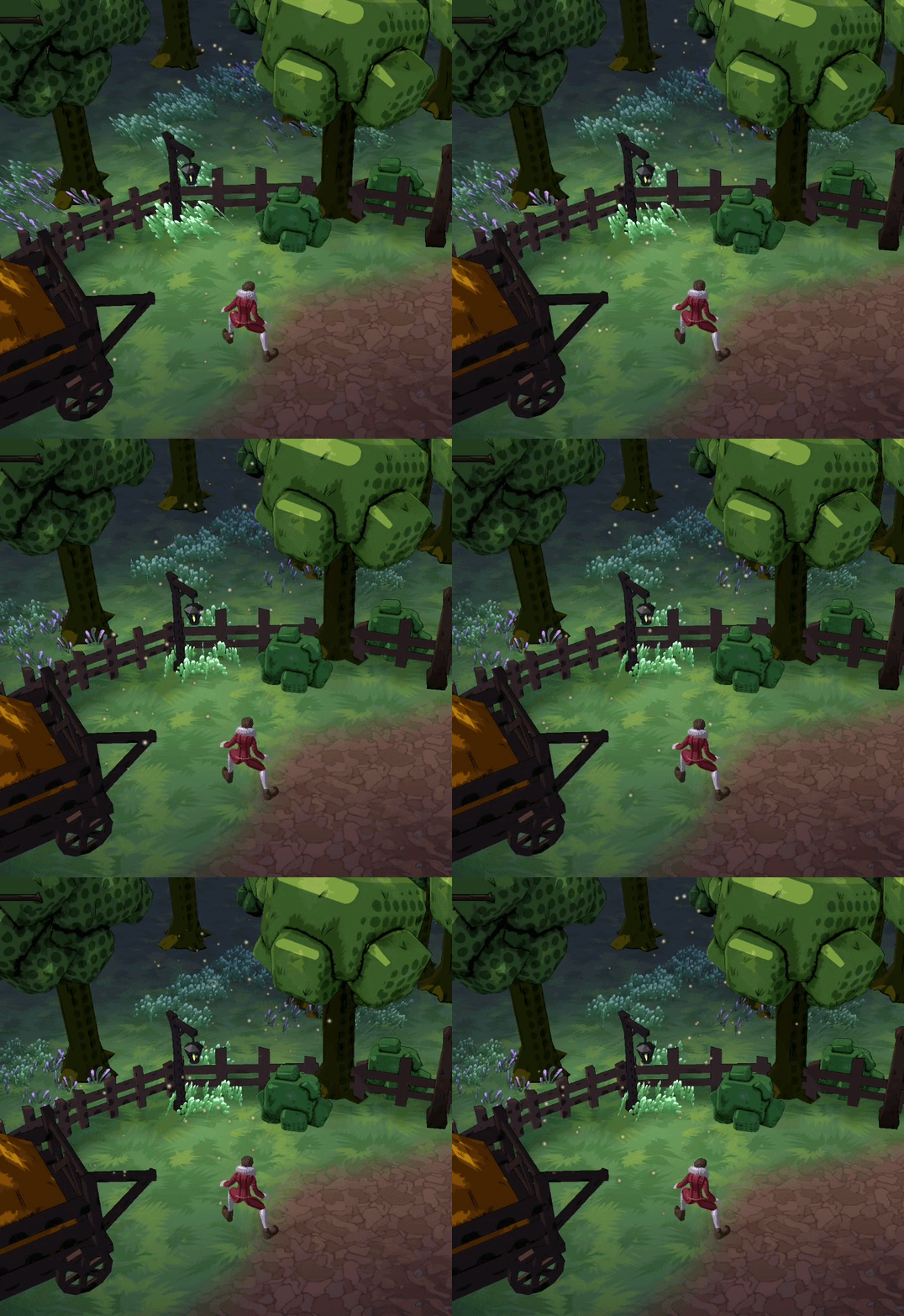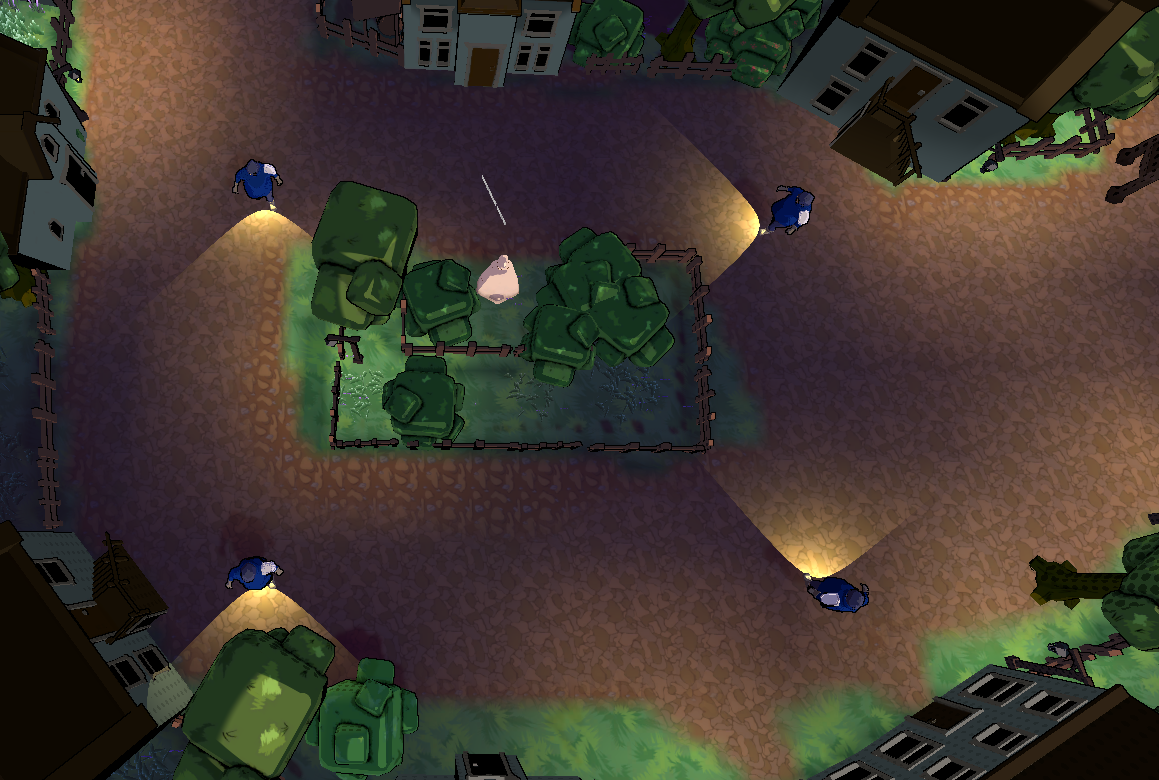
The Ballad of Auld Dunrod is a stealth-focused prototype designed to explore how players read environments, plan movement, and make decisions under pressure. Built around line-of-sight detection and patrol-based enemy behaviour, the project focuses on creating clear, readable stealth scenarios that encourage timing and awareness. Made in partnership with Magic Torch Comics.
Key Contributions
Designed stealth systems using line-of-sight detection and patrol-based AI
Developed level layouts to encourage player decision-making and route planning
Implemented player mechanics, enemy behaviours, and core gameplay systems
Shaped visual identity and contributed to VFX and overall presentation
Roles: Gameplay design, VFX art, 3D art direction, level design, character design, systems design, production design
Engine: Unity
Project Type: Student Industrial Project, Client-Facing Project
Tools Unity • VFX Graph
Line-of-Sight System
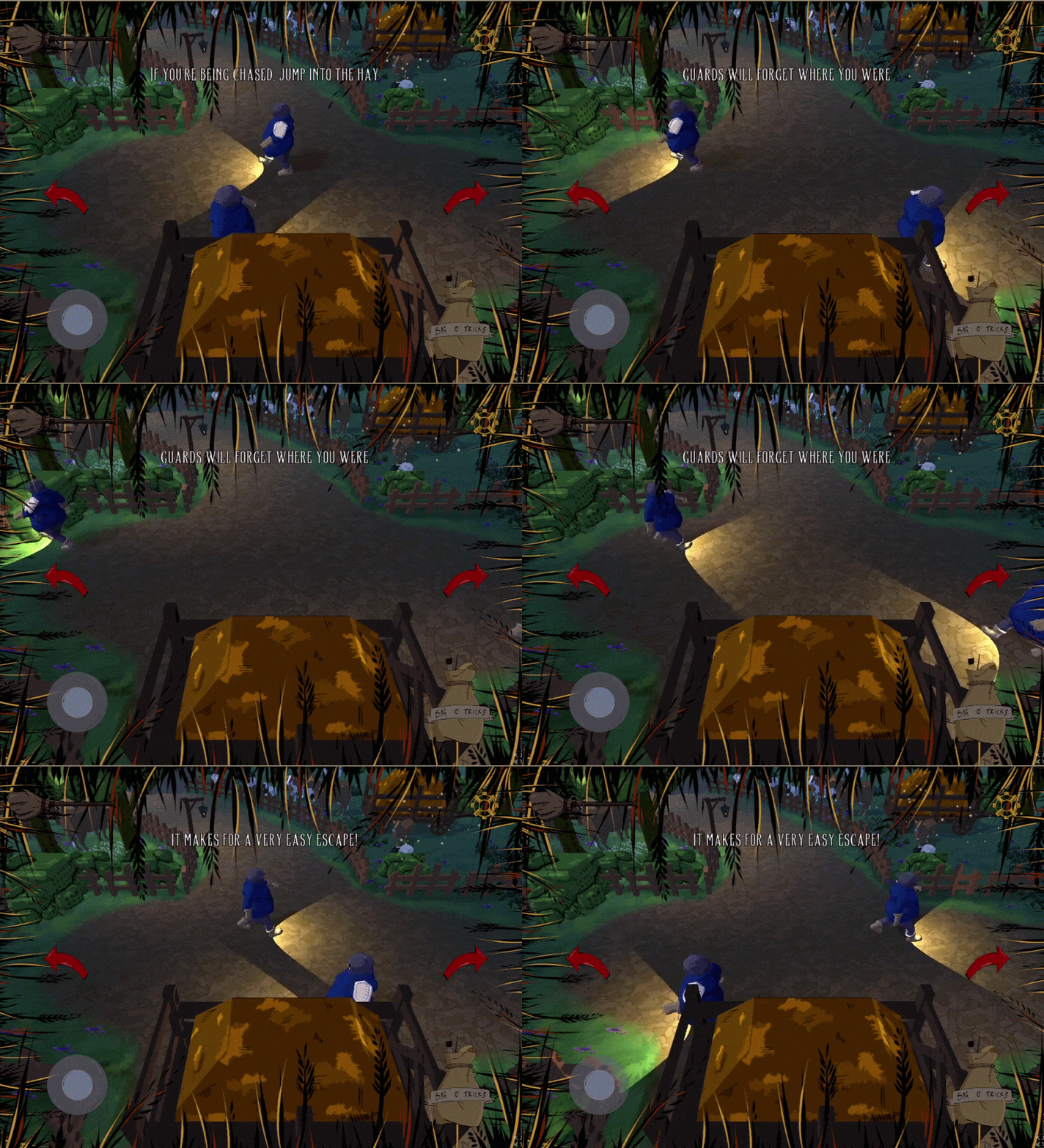
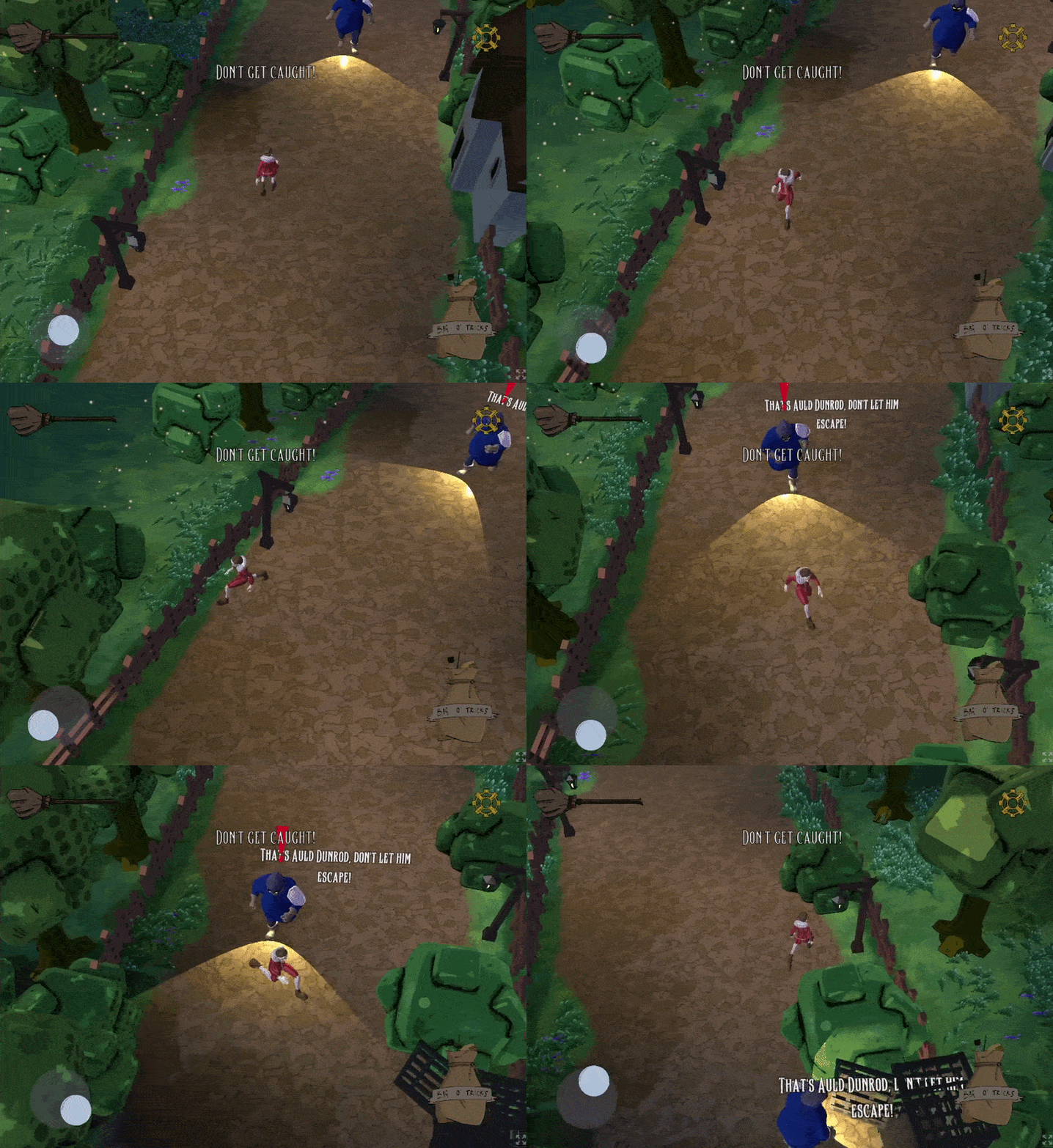
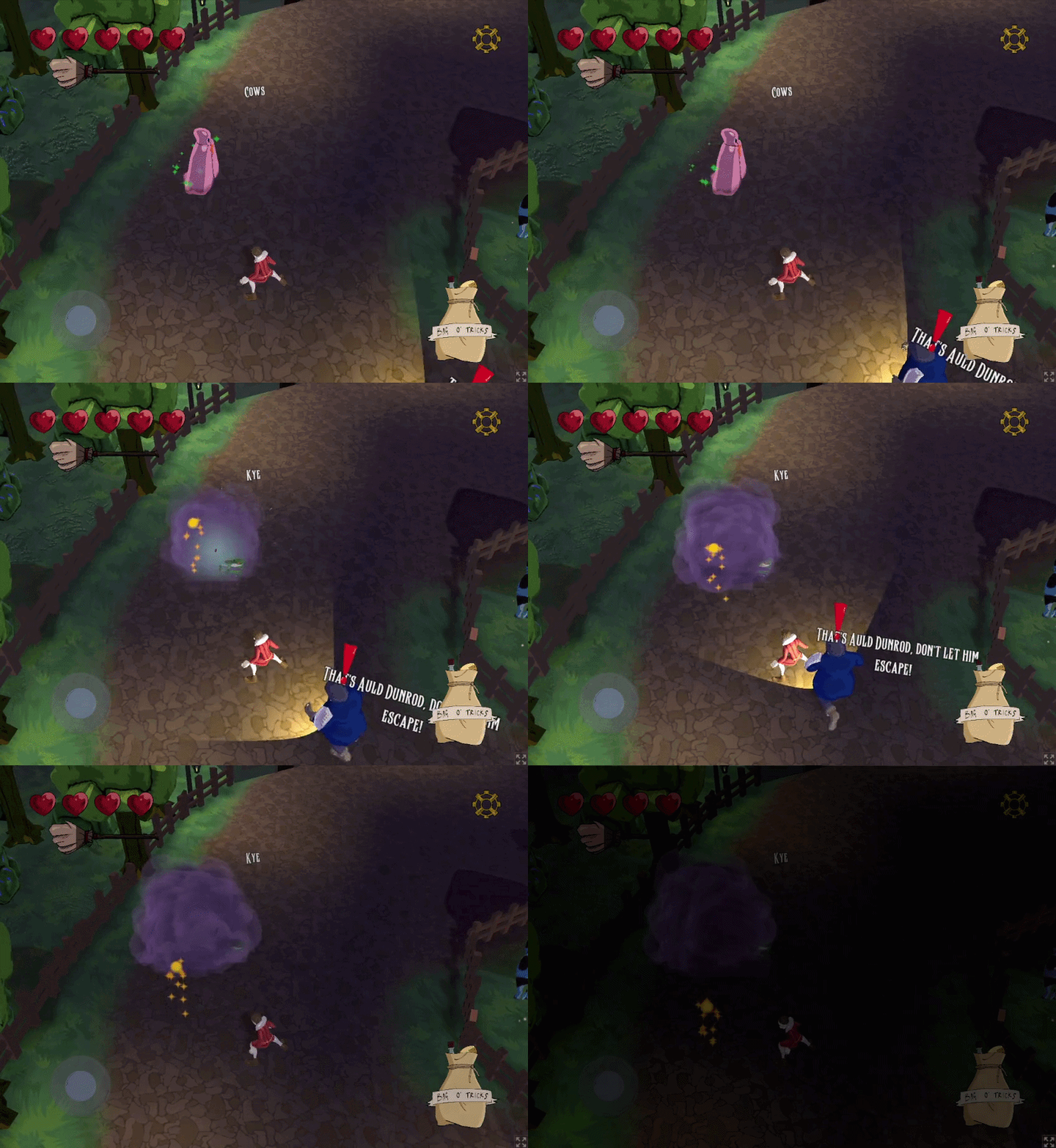
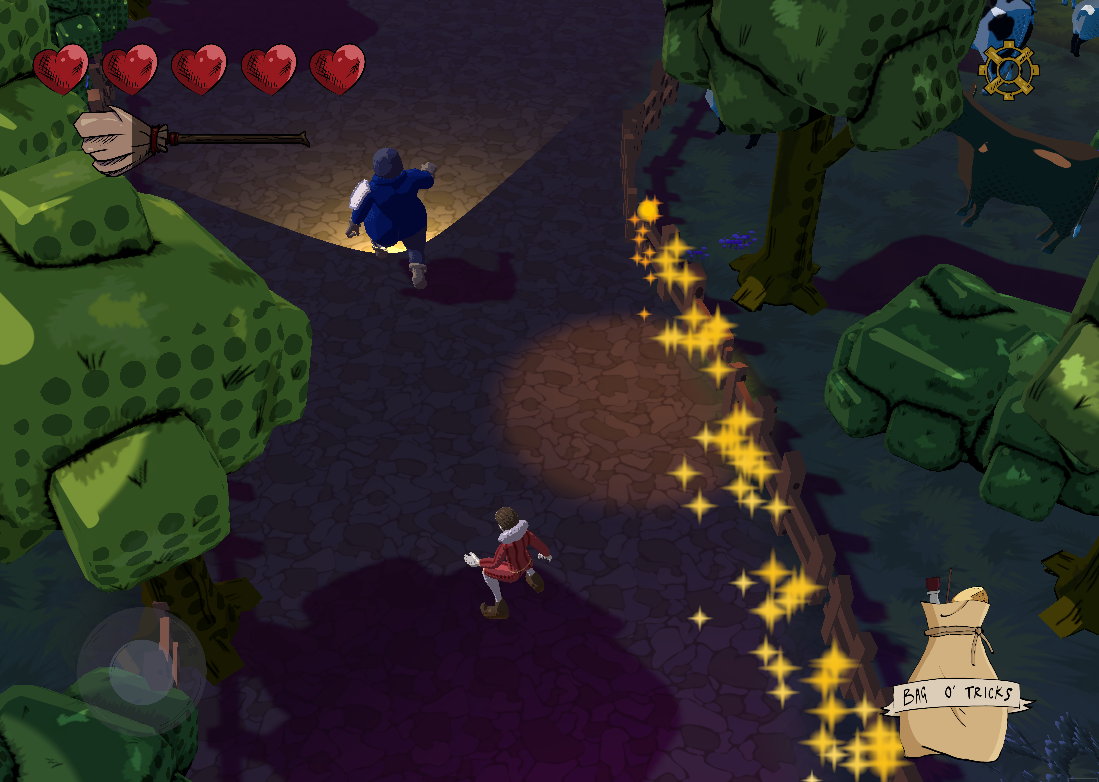
Enemy detection is driven by a line-of-sight system, where visibility determines whether the player is detected. This creates clear rules for stealth, encouraging players to manage positioning carefully and understand how visibility shapes safe movement through the environment.
Level Design & Progression
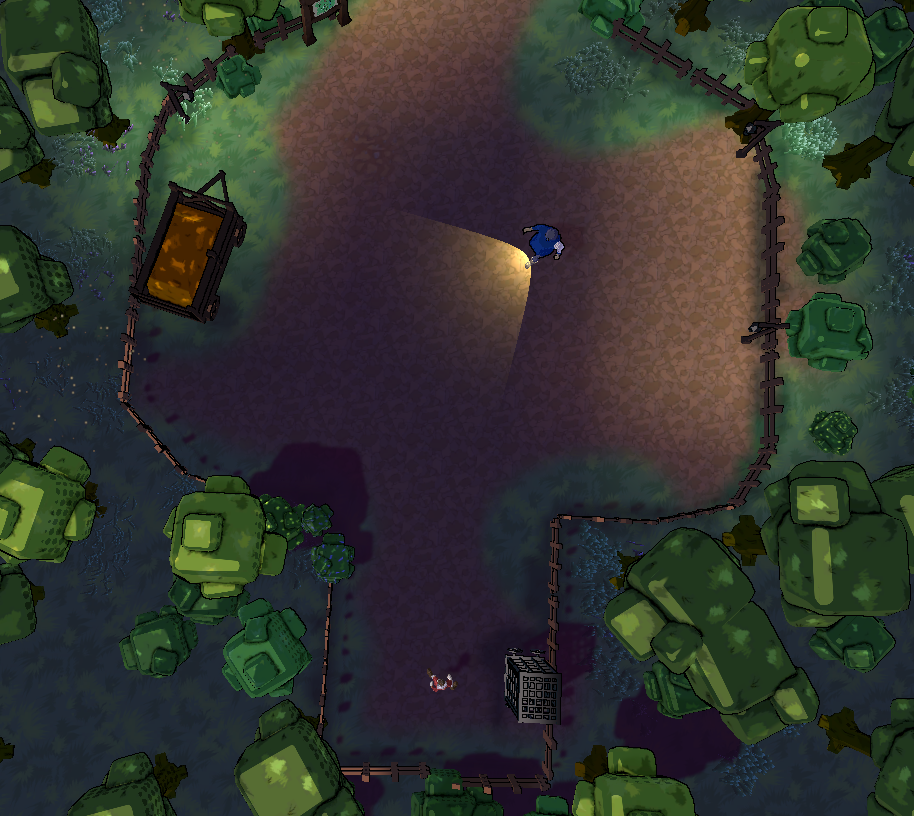
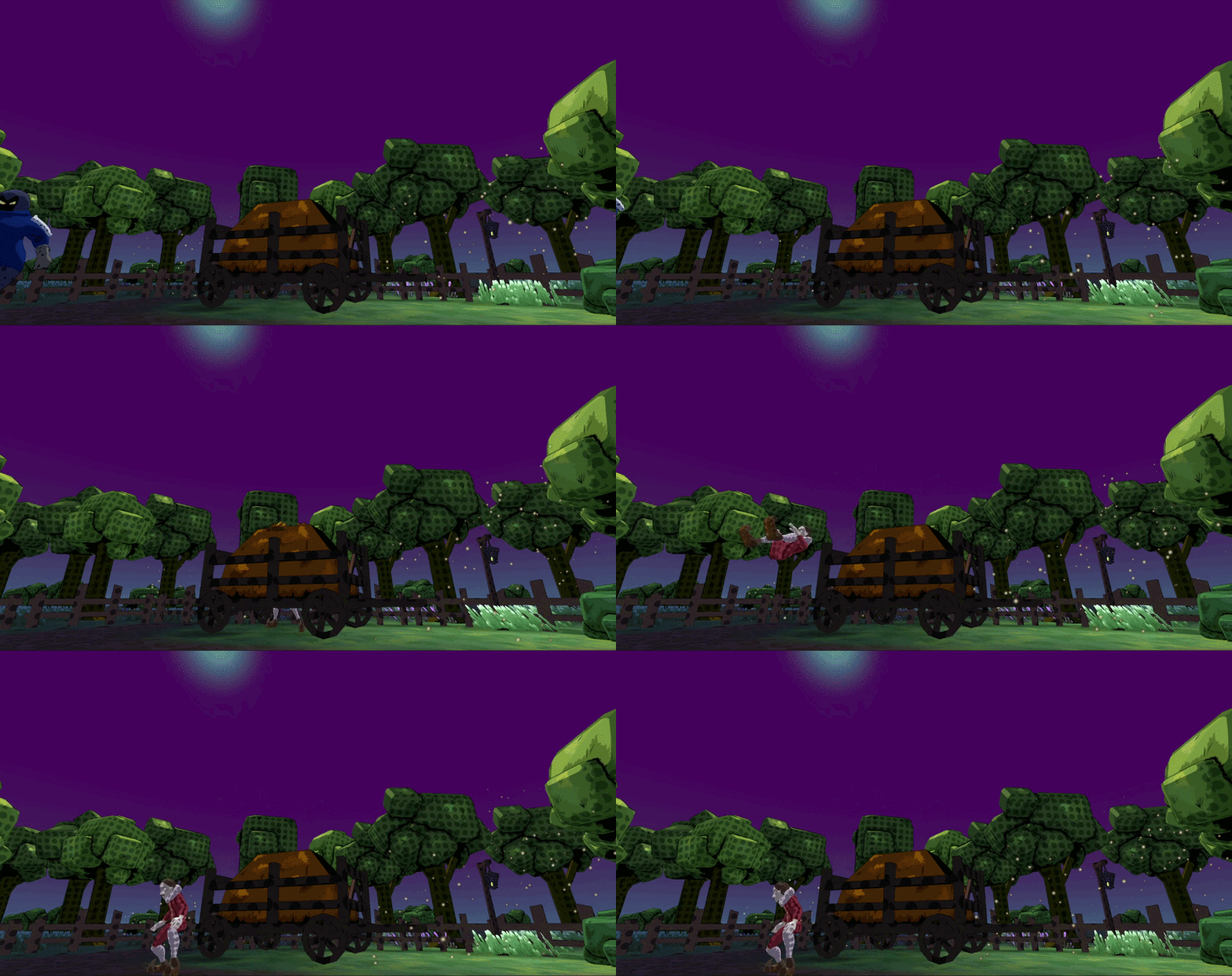
The level was designed to introduce stealth mechanics gradually, starting with simple scenarios and progressing to more complex encounters. Early areas allow players to understand patrol patterns and detection safely, while later sections increase difficulty through tighter spaces and overlapping enemy routes.
Design Breakdown
The design focuses on creating clear but meaningful stealth scenarios, where players must read enemy behaviour and plan movement carefully. Patrol routes and line-of-sight systems were used to create predictable patterns that players could learn and exploit, while level layouts introduced increasing complexity to challenge decision-making and timing.
The goal was to allow stealth behaviour to emerge naturally through gameplay, rather than relying on scripted or forced interactions.